
Looking for an exterior paint that can be applied in cold weather? Choose a paint specifically formulated for low-temperature application.
These paints are designed to bond and dry properly even in cold temperatures, making them ideal for winter projects. As the temperatures drop, finding the right exterior paint that can be applied in cold weather becomes crucial for any outdoor painting project.

With the increasing demand for cold-weather paint, manufacturers have developed formulations that can withstand low temperatures, allowing for year-round exterior painting. Selecting the right paint ensures that the finish will be durable and long-lasting, protecting the elements.
We'll explore the key characteristics to consider when choosing exterior paint for cold weather applications, as well as some top recommendations to help you achieve a successful winter paint job.
1. Benefits Of Cold Weather Exterior Paint
Cold weather exterior paint offers several benefits that make it a great choice for outdoor projects in colder temperatures.
1.1 Longer Application Season
With cold weather exterior paint, the application season extends, allowing you to tackle outdoor painting projects even during the colder months.
1.2 Improved Adhesion
Cold weather exterior paint provides improved adhesion to surfaces, ensuring a strong bond and long-lasting finish.
1.3 Reduced Drying Time
One of the key benefits of cold weather exterior paint is its reduced drying time, allowing for faster project completion even in colder conditions.
2. Factors To Consider Before Applying Cold Weather Exterior Paint
When it comes to applying cold weather exterior paint, there are several factors that need to be carefully considered to ensure a successful and long-lasting paint job. Considering these factors is crucial in order to achieve optimal results and prevent potential issues that may arise from the application of paint in low temperatures.
2.1 Temperature Range
In cold weather, it's essential to pay attention to the temperature range in which the paint can be effectively applied. When using cold weather exterior paint, it is recommended to check the manufacturer's guidelines for the specific temperature range in which the paint can be applied. Typically, cold weather paints are formulated to be applied in temperatures as low as 35°F, but it's important to follow the manufacturer's recommendations to ensure proper application and drying.
2.2 Surface Preparation
Proper surface preparation plays a crucial role in the success of cold weather exterior paint application. Before applying the paint, it's important to ensure that the surface is clean, dry, and free of any debris or contaminants.
This may involve pressure washing, scraping off loose paint, and repairing any existing damage or imperfections on the surface. Additionally, using a compatible primer can help improve the adhesion and durability of the paint in cold weather conditions.
2.3 Product Compatibility
When applying cold weather exterior paint, it's vital to consider the compatibility of the paint with the existing surface and any other products that will be used in conjunction with it, such as primers and sealers. Ensuring that all products used are compatible with each other can help prevent issues such as poor adhesion, cracking, or uneven drying. It's advisable to consult the manufacturer's guidelines or seek professional advice to ensure that all products used are compatible with cold weather applications.
3. Recommended Cold Weather Exterior Paint Brands
Choosing the right exterior paint for cold weather conditions is essential to ensure a long-lasting and durable finish. When temperatures drop, not all paint brands can withstand the challenges of cold weather. Here are three highly recommended brands that have proven to perform exceptionally well even in chilly temperatures: Brand A, Brand B, and Brand C.
3.1 Brand A
Brand A is a trusted name in the industry when it comes to cold weather exterior paint. Their paint formula is designed to withstand lower temperatures, making it an excellent choice for regions with freezing climates. With Brand A, you can confidently paint your exterior surfaces even during the colder months without worrying about the quality of the finish being compromised.
3.2 Brand B
Brand B is another top-notch option for cold weather exterior painting projects. They have developed a special formula that allows their paint to adhere effectively and dry quickly, even in low temperatures. With Brand B, you can achieve a professional-looking finish while ensuring the longevity of your paint job, even when the weather outside is less than ideal.
3.3 Brand C
When it comes to durability and cold weather performance, Brand C stands out among the competition. Their advanced paint technology allows for excellent coverage and protection, even in freezing conditions. With Brand C, you can expect a long-lasting finish that will withstand the harsh winter elements and keep your exterior surfaces looking vibrant and well-maintained.
Each of these recommended brands offers a wide range of color options and finishes to suit your specific aesthetic preferences. Before applying any cold weather exterior paint, be sure to carefully read the manufacturer's recommendations and follow proper application techniques to achieve the best possible results.
4. Tips For Successful Application Of Cold Weather Exterior Paint
In order to achieve a successful application of cold weather exterior paint, there are a few important factors to consider. Proper preparation of the surface, using the right application techniques, and allowing sufficient drying time are all key elements to ensure a long-lasting and effective paint job. Let's take a closer look at each of these tips.
4.1 Preparing The Surface
Before applying cold weather exterior paint, it is crucial to prepare the surface properly. This involves cleaning the area thoroughly by removing any dirt, dust, or debris that may interfere with the adhesion of the paint. A power washer can be used to effectively remove stubborn dirt and grime, ensuring a clean surface to work with.
| Tip | Description |
|---|---|
| 1 | Scrape off any loose or peeling paint. |
| 2 | Repair any cracks or holes in the surface. |
| 3 | Apply a primer to promote better adhesion. |
4.2 Using Proper Application Techniques
The technique used to apply cold weather exterior paint is crucial for achieving a smooth and uniform finish. It is recommended to use a high-quality brush or roller that is suitable for the paint type being used. Applying the paint evenly in long, steady strokes will help to minimize visible brush or roller marks.
- Use horizontal strokes for better coverage.
- Avoid overbrushing or going over areas repeatedly.
- Maintain a wet edge to prevent lap marks.
4.3 Allowing Sufficient Drying Time
Proper drying time is essential for cold weather exterior paint to cure and adhere properly. Low temperatures can significantly extend the drying time, so it's important to be patient and allow sufficient time for each coat to dry before applying the next one. Always refer to the paint manufacturer's instructions for specific drying time recommendations.
- Allow each coat to dry completely before applying the next one.
- Consider using a heater or fans to speed up the drying process.
- Avoid exposing freshly painted surfaces to extreme cold or moisture before they are fully cured.
5. Common Mistakes To Avoid When Applying Cold Weather Exterior Paint
Painting the exterior of your home during the cold winter months can be a daunting task. However, with the right paint and proper techniques, it is still possible to achieve a flawless finish. To ensure the success of your cold weather painting project, it is essential to avoid some common mistakes that can lead to subpar results. Here are the top 5 mistakes to avoid when applying cold weather exterior paint:
5.1 Not Checking Weather Conditions
One of the biggest mistakes you can make when painting in cold weather is not checking the weather conditions beforehand. Extreme weather conditions, such as freezing temperatures or high humidity, can negatively impact the drying process of your paint, leading to poor adhesion and premature cracking or peeling. Before you embark on your painting project, thoroughly check the weather forecast for optimal conditions. Ideally, the temperature should be above 50 degrees Fahrenheit and the humidity level below 50%.
5.2 Skipping Surface Preparation Steps
A common misconception when it comes to cold weather painting is that surface preparation can be compromised. However, skipping essential surface preparation steps can significantly affect the longevity and appearance of your paint job. Make sure to thoroughly clean the surface, removing any dirt, dust, or loose paint. Additionally, sanding the surface and applying a primer will create a smooth and well-adhered base for your paint. Taking the time to properly prepare the surface will ensure a flawless and long-lasting finish.
5.3 Applying The Paint Too Thick
Applying the paint too thickly is a common mistake made by many novice painters, especially in cold weather. It may seem logical to apply a thicker coat to compensate for the lower temperatures, but this can lead to problems. Thick layers of paint take longer to dry, and in cold weather, the drying time is already slowed down.
This extended drying time can cause the paint to sag, drip, or not fully cure, resulting in an uneven and unprofessional finish. To avoid these issues, make sure to follow the manufacturer's guidelines regarding the recommended thickness and number of coats for your specific paint.
When it comes to painting the exterior of your home in cold weather, these common mistakes can easily be avoided with proper preparation, attention to weather conditions, and adherence to manufacturer guidelines. By taking these precautions, you can achieve a beautiful and durable paint job that will withstand the harsh winter elements.
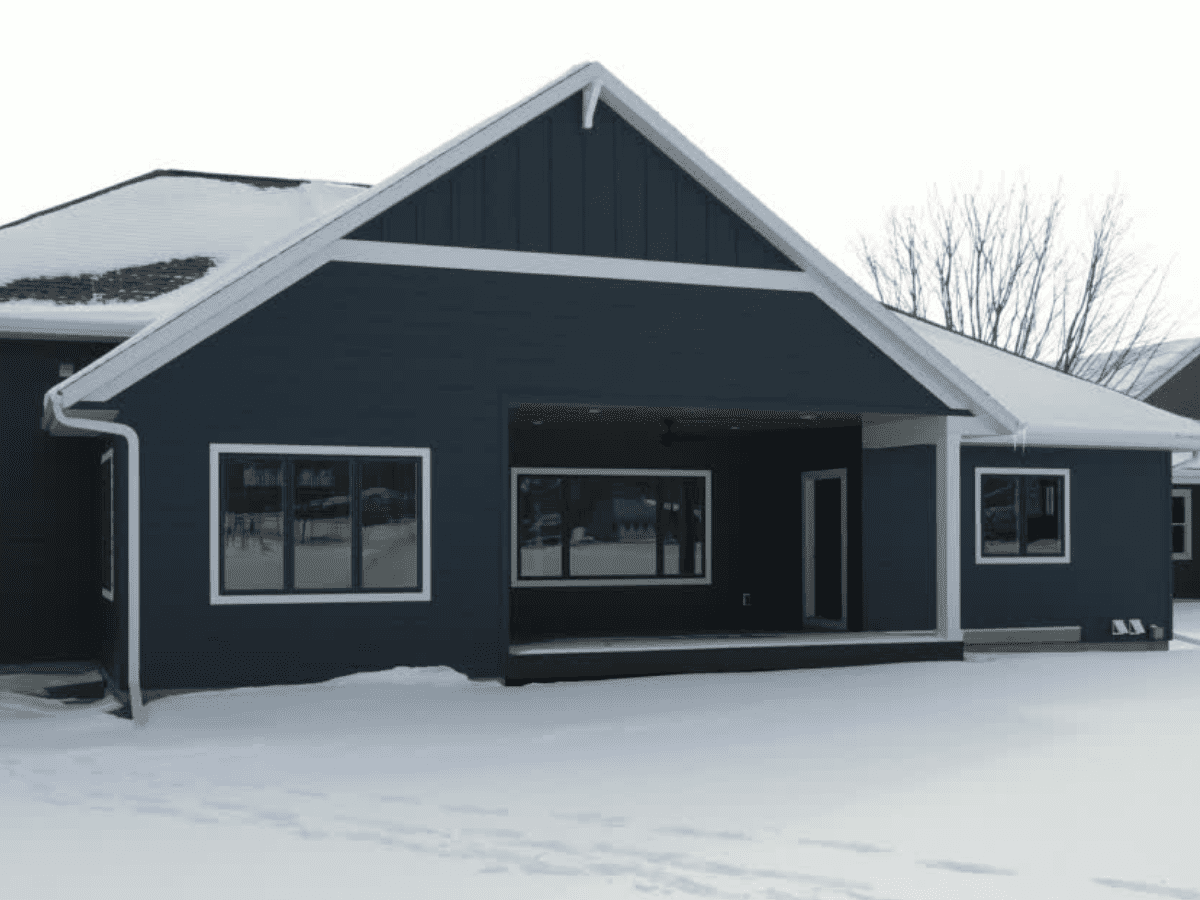
Frequently Asked Questions For Exterior Paint That Can Be Applied In Cold Weather
What Is The Best Exterior Paint For Cold Weather?
The best exterior paint for cold weather is one specifically formulated to withstand freezing temperatures and maintain its adhesion and durability.
Can You Paint The Exterior Of Your House In Winter?
Yes, you can paint the exterior of your house in winter as long as you use paint specifically designed for cold weather applications.
What Temperature Is Too Cold For Exterior Painting?
Generally, temperatures below 50°F (10°C) are considered too cold for exterior painting as the paint may not adhere properly and could result in poor finish quality.
How Can I Prepare My House For Painting In Cold Weather?
To prepare your house for painting in cold weather, make sure the surface is clean, dry, and free from any loose paint or debris. Use a primer before applying the paint to ensure better adhesion.
Conclusion
When it comes to painting the exterior of your home in cold weather, finding the right paint can be a challenge. Fortunately, there are several options available that can withstand low temperatures. By choosing an exterior paint specifically designed for cold weather application, you can ensure a smooth and long-lasting finish.
These paints are formulated with additives that allow them to dry quickly and adhere well even in chilly conditions. So, don't let the cold weather hold you back from giving your home a fresh new look.


0 Comments