
How Often Should You Get Your Trees Trimmed-> Trees should be trimmed every 3-5 years to maintain their health and shape. Regular trimming promotes healthy growth and prevents overgrowth.

Trimming your trees is an essential part of their maintenance to ensure they stay healthy and beautiful for years to come. It's important to know how often you should get your trees trimmed to keep them in the best condition.
Regular trimming not only enhances the appearance of your trees but also prevents overgrowth, promotes healthy growth, and reduces the risk of disease and pest infestation. Proper pruning also helps maintain the structural integrity of the trees, preventing potential hazards.
By understanding the optimal trimming frequency and the benefits it provides, you can proactively care for your trees and ensure they thrive in your landscape.
Benefits Of Tree Trimming
Tree trimming is an essential aspect of maintaining the health and appearance of your trees. Regular trimming not only promotes the well-being of your trees but also ensures the safety of your property and enhances the overall aesthetics of your landscape. Let’s explore the benefits of tree trimming in more detail.
Improves Tree Health
Maintaining your trees through regular trimming allows for the removal of dead or diseased branches, promoting overall tree health and vitality. This process aids in preventing the spread of diseases and insect infestations, enabling the tree to allocate more nutrients to healthy branches, ultimately increasing its resilience against environmental stressors.
Promotes Safety
Trimming trees on a routine basis helps in eliminating hazardous branches that could potentially fall and cause damage to property or harm individuals. This proactive approach reduces the risk of accidents and property damage during storms or strong winds, ensuring the safety of both your premises and the people around you.
Enhances Aesthetics
Regular trimming enhances the visual appeal of trees and contributes to a well-maintained landscape. It helps in shaping the trees, controlling their size, and creating a visually pleasing environment.
Additionally, trimmed trees allow better sunlight penetration and air circulation, positively impacting the overall look and feel of your outdoor space.
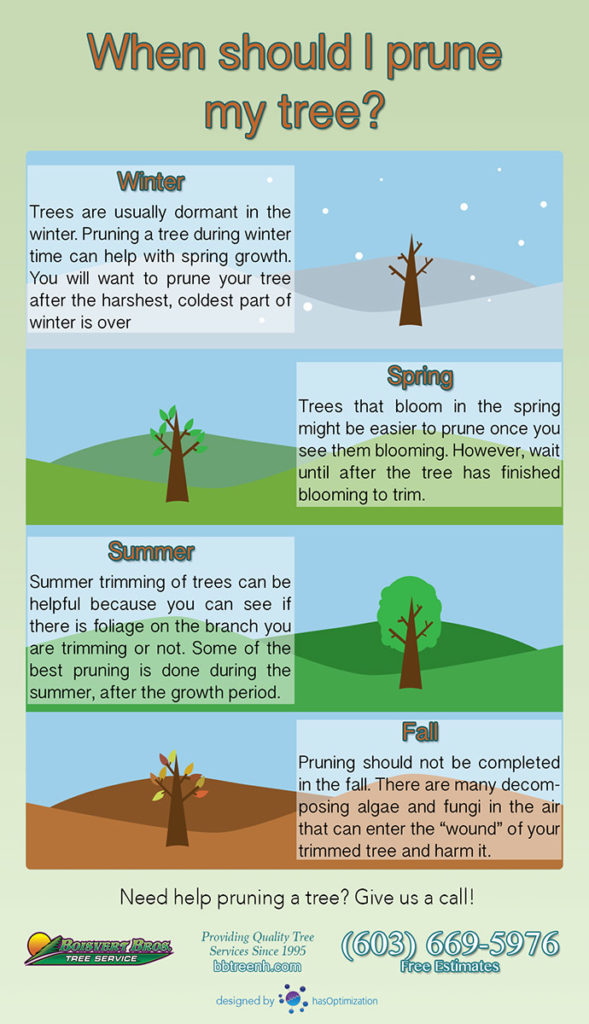
Credit: www.bbtreenh.com
Factors To Consider
When it comes to maintaining the health and aesthetics of your trees, knowing how often to trim them is crucial. Several factors play a role in determining the trimming frequency, and understanding these factors can help you make informed decisions for your tree care. Here, we'll explore the key factors to consider when deciding how often to get your trees trimmed.
Tree Species
Different tree species require different trimming schedules. For example, fast-growing species may need more frequent trimming to maintain their shape and prevent overgrowth, while slow-growing species may require less frequent attention.
Understanding the growth patterns and specific needs of your tree species is essential in determining the ideal trimming frequency.
Age And Size Of The Tree
The age and size of the tree also influence how often it should be trimmed. Younger trees may need more frequent pruning to establish a strong structure and shape, while older, more mature trees may require less frequent trimming to maintain their health and appearance.
Additionally, the size of the tree can impact its trimming schedule, with larger trees often requiring more regular maintenance.
Location And Surroundings
The tree's location and surroundings can also dictate the trimming frequency. Trees located in urban areas with limited space may need more frequent trimming to prevent overgrowth and maintain safety, while trees in open, spacious settings may require less frequent attention.
Additionally, trees near power lines, buildings, or other structures may need to be trimmed more often to avoid potential hazards.
Frequency For Different Trees
Knowing how often to trim your trees is important for maintaining their health and appearance. Different types of trees have different growth patterns, and as a result, their trimming requirements can vary. Let's explore the recommended frequency for trimming three common types of trees: deciduous trees, evergreen trees, and fruit-bearing trees.
Deciduous Trees
Deciduous trees, which shed their leaves in the fall, benefit from regular trimming to promote healthy growth and maintain their shape. Ideally, deciduous trees should be trimmed once a year during their dormant season, typically in late winter or early spring before new growth begins. Trimming during this time allows the trees to heal quickly and minimizes the risk of disease or pest infestation.
When trimming deciduous trees, focus on removing dead, damaged, or diseased branches, as well as any crossing or rubbing branches that could cause friction and potential injury. Additionally, thinning the canopy by selectively removing some branches can improve air circulation and sunlight penetration, promoting overall tree vitality.
Evergreen Trees
Evergreen trees, which retain their foliage year-round, have different trimming requirements compared to deciduous trees. These trees can benefit from pruning to maintain their shape and remove any dead or diseased branches, but they generally require less frequent trimming. Trimming evergreens once every two to three years is typically sufficient.
When trimming evergreen trees, it's important to be cautious and not remove too much foliage at once. These trees rely on their leaves for photosynthesis and can become stressed if excessive pruning occurs. Focus on selective trimming to maintain the tree's natural form while removing any branches that are dead, damaged, or interfering with nearby structures or paths.
Fruit-bearing Trees
Fruit-bearing trees, such as apple, pear, or cherry trees, require specific pruning techniques to encourage optimal fruit production. The frequency of trimming fruit-bearing trees depends on their age and the goal of pruning. Here are some guidelines:
- Young fruit trees (1-3 years old): Prune annually during late winter to encourage proper shaping and the development of a strong framework.
- Mature fruit trees (4 years and older): Trim annually during late winter or early spring to remove dead, damaged, or diseased branches, as well as any crossing or crowded limbs.
- Renewal pruning: Conduct every few years to remove older, unproductive branches and stimulate new growth, helping to ensure ongoing fruit production.
When trimming fruit-bearing trees, it's crucial to follow proper pruning techniques to prevent excessive stress on the trees and maximize fruit yield. Consult with a professional arborist for guidance, especially if you are unsure about the specific requirements of your fruit tree variety.
Signs That Indicate Trimming Is Needed
Regular tree trimming is crucial for the overall health and safety of your trees. It helps maintain their shape, promotes growth, and prevents potential hazards. However, knowing when to trim your trees can be a challenge. To help you determine the right time, here are some signs that indicate trimming is needed:
Overgrown Branches
Overgrown branches can be problematic for several reasons. They can obstruct the view, interfere with the surrounding landscape, or even pose a threat to nearby structures. If you notice branches that have grown too close to your house, driveway, or walkway, it's time to get them trimmed. By doing so, you not only enhance the aesthetic appeal of your property but also prevent potential accidents or damage.
Hazardous Limbs
Hazardous limbs are a significant cause for concern when it comes to tree maintenance. Weak or damaged branches can easily break and fall during storms or heavy winds, posing a threat to people, property, and utility lines.
If you spot any signs of decay, cracks, or splits in the branches, it's vital to have them trimmed immediately. Regular pruning helps eliminate these hazardous limbs, ensuring the safety of your surroundings.
Diseased Or Dead Branches
Diseased or dead branches not only compromise the appearance of your trees but also impact their overall health. These branches can be infected with fungi, attract pests, and spread diseases to other parts of the tree.
If you observe any signs of discoloration, fungi growth, or absence of leaves on certain branches, it's crucial to have them removed promptly. Trimming out these diseased or dead branches helps promote new growth and prevents the spread of diseases.
Interference With Utility Lines
Trees that grow too close to utility lines can cause significant problems. The branches may come in contact with power lines, posing a serious safety hazard and increasing the risk of power outages or even electrical fires.
If you notice any tree branches touching or near utility lines, it is essential to have them trimmed by a professional tree service. Trimming away the branches that interfere with utility lines ensures the uninterrupted supply of electricity and reduces the risk of accidents.
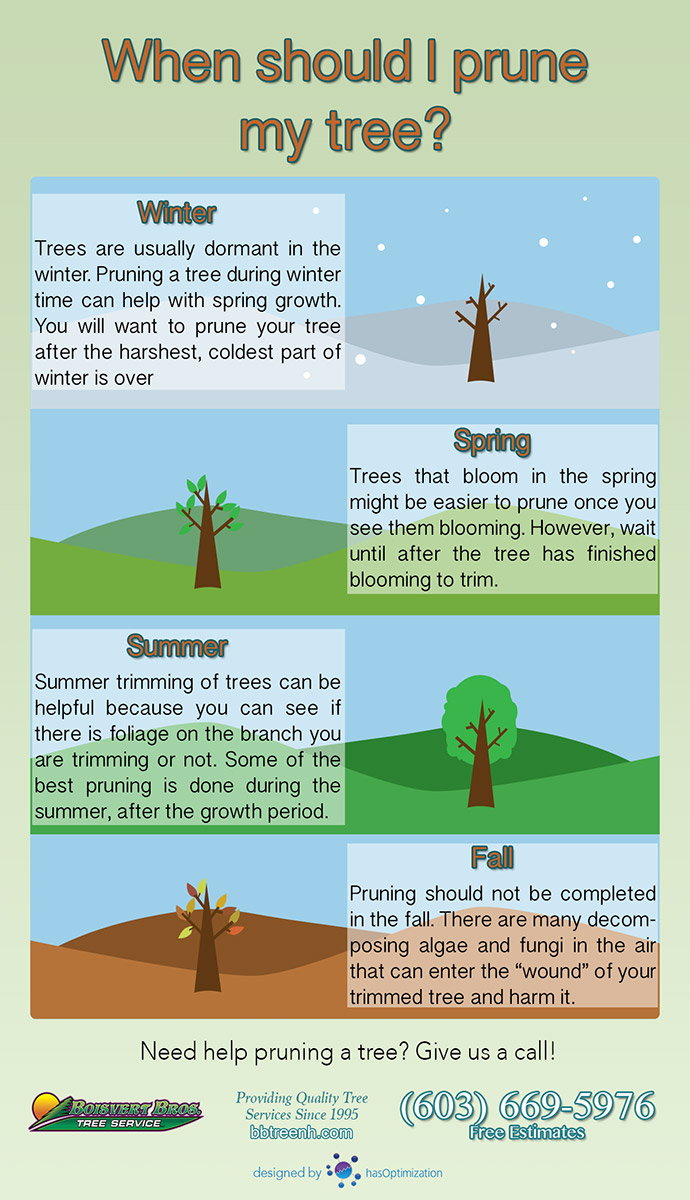
Seasonal Considerations
Proper tree trimming is essential to maintain the health and aesthetics of your trees. However, knowing the right time to trim can be just as important as the task itself. Taking into account the different seasons and their effects on tree growth and recovery can help you make informed decisions about when to schedule your tree trimming.
Spring
Spring is a crucial time for tree trimming, as it allows you to remove any dead or damaged branches that may have occurred during the winter months. Trimming in the spring also promotes healthy growth by stimulating the production of new branches and leaves.
Here are some key considerations when trimming your trees in the spring:
- Remove any branches damaged by winter storms or frost to prevent further damage or disease.
- Trim branches that are crossing or rubbing against each other, as they can cause unnecessary friction and potential damage.
- Thin out dense branches to allow more sunlight and airflow, preventing the growth of harmful fungi and pests.
Summer
While tree trimming during the summer is generally not recommended, there are some exceptions to keep in mind. If you notice any hazardous branches posing a safety risk, such as those hanging over power lines or near your house, it's crucial to address them promptly.
Here are a few important points to consider when trimming your trees during the summer:
- Focus on removing any branches near power lines to prevent potential hazards.
- Monitor for signs of disease or insect infestation, such as discoloration or wilting leaves, and promptly remove affected branches.
- Avoid extensive pruning or trimming during hot and dry periods, as it can stress the tree and hinder its ability to recover.
Fall
In the fall, tree trimming can help prepare your trees for the winter and promote healthy growth in the following spring. It also allows you to address any issues that may have arisen during the summer months.
Consider the following factors when trimming your trees in the fall:
- Remove any dead or diseased branches before winter sets in, as they can attract pests and diseases.
- Prune branches that may obstruct visibility for drivers or pedestrians.
- Trim branches that are close to your house or other structures to prevent potential damage from strong winds or winter storms.
Winter
While winter is not the ideal time for extensive tree trimming, it can be suitable for certain types of trees and specific trimming tasks. It's important to be cautious during this season, as cold temperatures and icy conditions can make pruning more challenging.
Here's what you need to keep in mind when trimming trees in winter:
- Limit pruning to only what is necessary to prevent breakage from heavy snow or ice accumulation.
- Focus on the removal of dead or diseased branches during this dormant season.
- Avoid pruning trees that are susceptible to bleeding, such as maples and birches, which can negatively impact their health and vigor.
Remember, it's always recommended to consult with a professional arborist to ensure the correct timing and techniques are used for tree trimming. By considering the seasonal factors mentioned above, you can ensure the health and longevity of your trees throughout the year.
Professional Tree Trimming Vs Diy
When it comes to tree trimming, homeowners often face the dilemma of whether to hire a professional or attempt the task themselves. While DIY tree trimming may seem like a cost-effective option, it is important to consider the benefits of hiring a professional. In this section, we will explore the advantages of professional tree trimming as well as the risks and challenges associated with DIY tree trimming. Additionally, we will provide some useful tips for safe DIY trimming. Let's dive in!
Benefits Of Hiring A Professional
When it comes to tree trimming, a professional arborist or tree care expert has the knowledge, experience, and tools to ensure the job is done correctly. Here are some key benefits of hiring a professional:
- Expertise: Professionals possess in-depth knowledge about different tree species, their growth patterns, and pruning techniques. This ensures that your trees receive the appropriate care and the right branches are trimmed, promoting healthy growth.
- Safety: Professional tree trimmers are well-versed in industry safety standards and have the necessary equipment to handle any potential hazards. They can handle tall trees, overhanging branches, and challenging landscapes with ease, minimizing the risk of accidents.
- Time and Effort: Tree trimming requires time, effort, and physical stamina, especially when dealing with large or overgrown trees. Hiring a professional saves you from the hassle and allows you to focus on other important tasks.
- Aesthetics: Professional arborists have an eye for aesthetics and can trim your trees in a way that enhances their beauty and symmetry. They can shape and thin out the canopy to create a visually appealing appearance for your landscape.
- Maintenance Advice: Professionals can provide valuable advice on how to maintain the health and appearance of your trees between trimmings. They can recommend appropriate fertilizers, watering schedules, and preventive measures to avoid future problems.
Risks And Challenges Of Diy Tree Trimming
While DIY tree trimming may seem like a cost-saving option, it comes with certain risks and challenges that should not be overlooked:
- Unsafe Practices: Without proper knowledge and equipment, DIY tree trimming can lead to accidents and injuries. Climbing tall trees, using power tools, and handling heavy branches without expertise can put you at significant risk.
- Tree Damage: Improper trimming techniques can harm the health and structure of your trees. Cutting too close to the trunk or removing essential branches can cause decay, disease, and even lead to the death of the tree.
- Limited Tools: DIY tree trimming often lacks access to professional-grade tools required for effective and efficient trimming. Using inappropriate tools can result in rough cuts, improper shaping, and potential damage to the tree.
- Time and Skill Requirements: Tree trimming is a time-consuming task that requires skill and patience. Without proper skills, it is challenging to achieve precise cuts and maintain the overall balance and health of the trees.
Tips For Safe Diy Trimming
If you decide to take on the task of DIY tree trimming, it is crucial to prioritize safety and follow these tips:
- Research and Learn: Familiarize yourself with the proper techniques and best practices for tree trimming. Utilize reliable resources such as books or online guides to gain a thorough understanding.
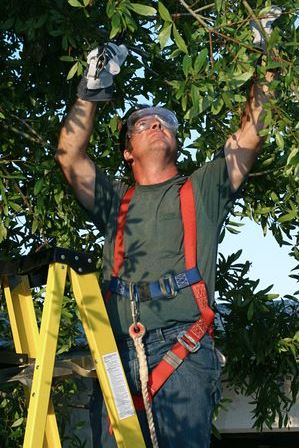
- Invest in Safety Gear: Prioritize safety by wearing appropriate protective gear, such as gloves, goggles, a hard hat, and sturdy boots. This will safeguard you from potential injuries while working with tools or dealing with falling debris.
- Use the Right Tools: Invest in high-quality tree trimming tools that are suitable for the size and type of trees you are trimming. Sharp pruning shears, loppers, and pole saws will ensure clean cuts and reduce stress on the tree.
- Start Small: Begin with smaller trees or branches to gain confidence and experience before tackling more challenging trimming projects. This will allow you to refine your skills and minimize the risk of irreversible damage to larger trees.
- Know Your Limits: If you encounter a tree trimming situation that seems beyond your capabilities, it is best to hire a professional. Recognizing your limitations will prevent accidents and guarantee the well-being of your trees.
Frequently Asked Questions Of How Often Should You Get Your Trees Trimmed
How Often Should You Get Your Trees Trimmed?
Regular tree trimming is recommended every 3-5 years to maintain their health and prevent any potential hazards.
Why Is It Important To Trim Trees Regularly?
Regular tree trimming promotes healthy growth, prevents diseases, increases sunlight penetration, and enhances the overall aesthetics of your landscape.
What Are The Signs That Your Tree Needs Trimming?
Look for signs like overgrown branches, dead or decaying branches, rubbing branches, and branches touching power lines.
What Are The Benefits Of Hiring A Professional For Tree Trimming?
Professional tree trimmers have the expertise, equipment, and knowledge to trim trees safely and effectively, ensuring the overall health and beauty of your landscape.
Conclusion
Regular tree trimming is essential for maintaining the health and beauty of your trees. By trimming them at the right intervals, usually every 3-5 years, you can prevent overgrowth, improve airflow, and reduce the risk of falling branches.
It also ensures that your trees stay aesthetically pleasing and enhances the overall value of your property. So, don't neglect tree trimming – schedule it regularly and enjoy the numerous benefits it provides.



0 Comments